My Fascination with Kei Trucks: More Than Just Small Vehicles
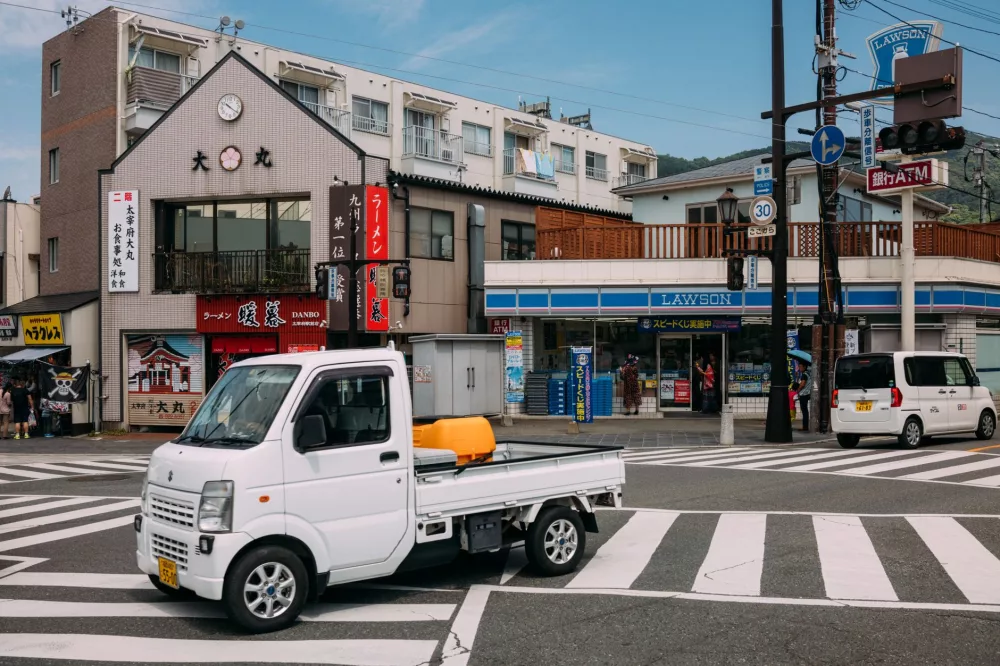
You know, there's just something inherently charming and incredibly practical about a Kei truck. For a long time, I've been completely captivated by these tiny, hardworking vehicles that hail from Japan. When I first saw one puttering around, I honestly chuckled a bit. But then, as I started learning more, I realized they're truly ingenious machines, built with a purpose and a surprising amount of capability packed into their diminutive frames. These aren't just novelty items; they're bona fide workhorses, and I'm excited to share why I think they're so fantastic.
The Unique World of Japan's Kei Class
So, what exactly is a Kei truck? Well, to really get it, we've gotta understand the 'Kei' part first. In Japan, there's a special vehicle category called 'Kei jidōsha,' which translates to 'light automobile.' This class was created after World War II to encourage car ownership by making vehicles smaller, more affordable, and incredibly fuel-efficient. It's a really strict set of regulations concerning engine displacement, physical dimensions, and even power output. These rules have been updated over the years, but the core idea remains: compact, economical transportation.
Why Japan Embraced the Kei Concept
Think about it: Japan is a country with often narrow streets, tight parking spaces, and a need for efficient resource use. The Kei class fits perfectly into that landscape. These vehicles receive tax breaks and other incentives, making them a very attractive option for both personal and commercial use within city limits or in rural areas. And because they're so small, they can navigate places bigger trucks just can't dream of.
What Makes a Kei Truck So Special?
When I talk about Kei trucks, people often picture something flimsy. But that couldn't be further from the truth. They're built tough, often for agricultural or light commercial use, and they've got some really impressive features:
- Tiny Footprint, Huge Maneuverability: This is probably their most obvious trait. They're incredibly compact, making them a dream for tight spots, whether it's navigating a crowded farm or squeezing into a residential alley. I've seen them turn on a dime!
- Engineered for Efficiency: We're talking about engines usually around 660cc, which isn't a lot, right? But these engines are designed to be incredibly efficient and surprisingly peppy for their size, especially at lower speeds. They're not speed demons, but they'll get the job done without gulping down gas.
- Surprising Payload Capacity: Don't let the size fool you. Many Kei trucks can carry around 770 lbs (or 350 kg). That's a serious amount of feed, tools, or gardening supplies! I mean, it's quite remarkable how much you can fit in the bed.
- Incredible Versatility: This is where they really shine. You can find them as basic flatbeds, dump trucks, panel vans, scissor lifts, refrigerated units, and even mini fire trucks! They're like little LEGO sets for utility.
- Four-Wheel Drive Options: A lot of Kei trucks, especially those imported from Japan's more rural areas, come with selectable 4WD or even full-time AWD. This makes them absolute champs off-road, perfect for muddy fields or snowy driveways.
- Remarkable Durability: These little trucks are engineered to last. They're not typically overloaded, and with regular maintenance, they can go for hundreds of thousands of kilometers. I've seen some from the 80s still running strong!
My Thoughts on Their Practical Applications
I honestly think Kei trucks are a game-changer for so many folks, especially here in North America, once you get past the import hurdles. I’ve seen them put to fantastic use in various settings:
- On the Farm or Ranch: My goodness, they're perfect for moving hay, feed, tools, or even small livestock around a property. Their narrow width means they can get into pastures and barns where ATVs or UTVs might struggle, and they've got a proper cab for weather protection.
- For Landscaping and Gardening: Imagine hauling bags of mulch, soil, or plants without needing a full-sized pickup. They’re super easy to load and unload, and they won't tear up your lawn like a heavier vehicle might.
- Campus or Resort Maintenance: Think about large properties that need constant upkeep. A Kei truck can carry equipment, trash, or supplies quietly and efficiently without taking up a lot of space.
- Off-Roading and Trail Use: With 4WD, they become incredibly capable little off-roaders. I wouldn't take one rock crawling, but for exploring forest roads or maintaining trails, they're surprisingly good. And, they often come with a small heater, which is a nice touch compared to an open-air UTV.
Bringing One Home: Navigating the Import Process
If you're in the U.S. or Canada, getting your hands on a Kei truck usually means importing one. The big hurdle here is the 25-year import rule in the U.S. (or 15 years in Canada). Basically, a vehicle has to be at least that old to be exempt from federal safety and emissions standards. This means we're often looking at trucks from the late 90s or earlier. It's a significant consideration, and you'll want to:
- Find a Reputable Importer: This is crucial. There are plenty of companies that specialize in bringing these vehicles over. Do your homework, read reviews, and ask for references.
- Understand Local Regulations: Once it arrives, you'll need to deal with state or provincial titling and registration. Rules vary wildly, so check with your local DMV or equivalent agency well in advance. Some states are easier than others; some might limit them to off-road use only, or restrict speed.
- Be Aware of Limitations: Most Kei trucks aren't designed for highway speeds. They're happiest below 55 mph (around 90 km/h). Keep that in mind for your intended use!
Choosing Your Own Kei Truck: What I Look For
If you're thinking about getting one, here are a few things I'd tell you to consider:
- Rust, Rust, Rust: These trucks come from Japan, and sometimes they've lived near the coast or seen some salty winters. Check the frame, bed, and cab thoroughly for rust.
- Mileage and Condition: Don't be scared of higher mileage if it's been well-maintained. Look for signs of neglect, engine leaks, or strange noises.
- 4WD vs. 2WD: If you're going off-pavement, definitely spring for 4WD. If it's just for a paved property, 2WD is fine and often a bit cheaper.
- AC: Trust me, on a hot day, you'll want it! Many later models have it.
- Which Brand? The big players are Suzuki (Carry), Daihatsu (Hijet), Honda (Acty), and Subaru (Sambar). Each has its quirks; for example, the older Sambars often have a rear-mounted engine which makes them quite unique and offers a flatter load floor.
Why I'm Still a Fan (and a Couple of Caveats)
Honestly, I just find Kei trucks incredibly endearing. They're economical, surprisingly robust, and they do exactly what they're designed for, often with a cheeky smile. They're also a fantastic conversation starter; people are always asking me about mine!
However, it wouldn't be fair if I didn't mention a couple of things that aren't ideal. As I mentioned, highway driving isn't their forte. They can do it, but they're not comfortable or particularly safe at those speeds. Also, while parts are generally available (especially for common wear items), some specific components might take a bit longer to source since they're coming from overseas. But those are minor trade-offs, in my opinion, for such a unique and useful vehicle.
So, if you're looking for a practical, quirky, and incredibly fun utility vehicle that won't break the bank and can squeeze into places nothing else can, I genuinely think a Kei truck might just be your perfect match. They've certainly earned a special place in my heart, and I think they will in yours too, once you give one a chance.